
NYC Expands Survivors’ Rights Under the Gender-Motivated Violence Act
Brian Magnosi | Abuse Awareness,Sexual Assault | February 11, 2026
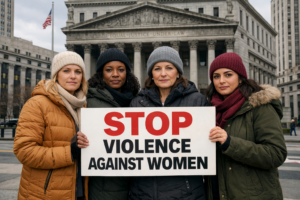
Last month, New York City made a major change to the Gender-Motivated Violence Act, and I feel compelled to share this important information immediately. Too many survivors still believe it is “too late” to seek justice. Too many were turned away by courts. Too many were silenced by technical legal barriers.
That is changing in New York City, at least.
Effective January 29, 2026, New York City Bill 1297-A amends the Gender-Motivated Violence Act and restores and extends a powerful civil cause of action for survivors of gender-motivated violence in New York City. This amendment opens doors that were previously slammed shut. It gives survivors another chance to be heard. It also sends a clear message: New York City recognizes the lasting harm caused by gender-based violence and is committed to accountability.
As a New York City personal injury lawyer, I have represented the survivors of sexual violence since 1982, bringing cutting-edge lawsuits to get them recompense for their injuries. I have listened to survivors describe what happened to them and what followed. Many describe not only the violence itself, but also years of silence, shame, fear, and legal confusion. This new law directly addresses those realities.
If you or someone you love experienced gender-motivated violence in New York City, this law may apply to you. Survivors should take action immediately and explore their legal options. Those who hesitated in the past may now have a limited opportunity to seek justice. This amendment may represent a final opportunity to file a lawsuit and seek justice under New York City law.
Get help from an experienced New York sexual abuse attorney. Call us at 212-804-6502. We can help. Take action today.
What NYC Bill 1297-A Changes
This amendment does two critically important things in New York City. First, it reopens and extends a legal lookback window. Second, it clarifies who can be held legally responsible.
Together, these changes restore access to justice for many people who were previously blocked by procedural technicalities rather than the merits of their claims.
A New 18-Month Lookback Window
The amendment creates a new 18-month window during which survivors of gender-motivated violence in New York City can:
- File new civil lawsuits, even if the violence occurred years or decades ago
- Amend or re-file lawsuits that were previously dismissed under older interpretations of the law
Importantly, the amendment allows survivors to bring civil lawsuits for gender-motivated violence that happened in the past — even for incidents that occurred before January 9, 2022. That means survivors who were previously told their claims were too old may now have a renewed legal path forward.
In recent years, many cases were dismissed because courts questioned whether the original city law created a valid civil cause of action. Survivors were told they had no legal remedy, even though their abuse clearly met the law’s intent. Bill 1297-A fixes that problem.
Now, survivors whose cases were dismissed between March 1, 2023 and March 1, 2025 may be able to amend or refile their lawsuits to add a cause of action under the amended statute.
Time matters here. The 18-month window is strict. When it closes, survivors may again lose their opportunity to bring claims under New York City law.
Liability Extends Beyond Individual Abusers
The amendment also clarifies something survivors have always known: abuse often happens in environments that enable it.
Under the amended law, survivors may bring civil lawsuits against:
- Institutions
- Government agencies
- Organizations or entities that enabled, concealed, or failed to prevent abuse
This closes a loophole that previously allowed institutions to escape accountability.
Survivors who were harmed in city-run facilities, juvenile detention centers, schools, shelters, workplaces, or other institutional settings now have a clearer legal path forward. Institutions that ignored warnings, failed to supervise, or covered up misconduct can be held responsible for their role.
This shift reflects reality. Violence does not occur in a vacuum. Systems either protect people or fail them.
Who May Be Eligible to File a Claim
Not every harmful act qualifies under this statute. However, many forms of abuse do.
To be eligible:
- The violent act must have occurred within the five boroughs of New York City
- The survivor must have suffered physical and/or emotional injury as a result
Types of Gender-Motivated Violence Covered
The law covers a broad range of violent conduct motivated by gender, including:
- Sexual violence, including rape and sexual assault
- Domestic violence
- Physical or verbal assault and battery
- Workplace sexual violence
- Human trafficking
- False imprisonment
This is a civil statute. Survivors do not need a criminal conviction to file a lawsuit. The civil justice system operates independently of criminal prosecutions.
That distinction matters. Many survivors never reported to police. Others reported and saw no charges filed. Some cases were never investigated properly. Civil court offers another route to accountability.
What Survivors Can Seek Through Civil Court
Survivors who bring claims under the Gender-Motivated Violence Act may seek compensation for:
- Medical expenses
- Therapy and mental health treatment
- Lost income
- Pain and suffering
- Emotional distress
- Long-term psychological harm
In some cases, courts may also award punitive damages designed to punish particularly egregious conduct.
Money cannot undo trauma. However, financial compensation can provide access to care, stability, and a sense of justice.
Why This Law Matters So Much
Survivors often delay coming forward for understandable reasons. Fear. Shame. Threats. Financial dependence. Trauma. Lack of legal information.
Many survivors are children at the time of abuse. Others are controlled by authority figures. Some do not even realize until adulthood that what happened to them was abuse.
The legal system must account for those realities.
Bill 1297-A acknowledges that survivors need time. It acknowledges that past legal interpretations were unjust. It acknowledges that institutions must share responsibility when they enable harm.
A Second Chance for Dismissed Cases
One of the most important features of this amendment is its retroactive effect.
Survivors whose cases were dismissed because courts said no civil cause of action existed may now have the right to revive those cases.
That is extraordinary.
It means prior dismissals may no longer be the final word. Survivors should not assume their case is over.
Why Acting Quickly Is Essential
Although the law expands rights, it also imposes deadlines. The 18-month window begins January 29, 2026. Once it closes, survivors may again be time-barred.
This legislation may be the last opportunity for some survivors to pursue justice under New York City law. Waiting could permanently eliminate legal options.
Get a free, no obligation case review
get a free case reviewHow I Help Survivors Navigate This Process
Many survivors feel overwhelmed by the idea of contacting a lawyer. That reaction makes sense. Legal processes can feel intimidating. Retelling painful experiences can be exhausting. Fear of not being believed still exists.
I approach these cases with care, patience, and respect. My role is to explain the law, outline your options, and protect your rights. All conversations are confidential. Asking questions does not obligate you to file a lawsuit.
Give Mirman, Markovits & Landau, P.C. a call at 212-804-6502. We can help. Take action today.