
A Safer Road Ahead: Reducing Traffic Deaths
Brian Magnosi | Car Accident | September 5, 2025
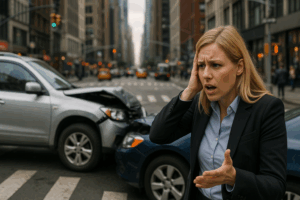
Each year, thousands of lives are cut short on America’s roads. In 2024 alone, approximately 39,000 people were killed in motor vehicle crashes. As a personal injury attorney, I see firsthand how devastating crashes can be—not just in numbers, but in real human cost. The good news? These tragedies are not inevitable.
Across the country, safety experts are adopting a new mindset: The Safe System Approach—a strategy that shifts the burden from individual drivers to a shared responsibility among everyone who designs, builds, governs, and uses our transportation system.
What is the Safe System Approach?
At its core, this model acknowledges a few key truths:
- People make mistakes.
- Those mistakes shouldn’t cost lives.
- All of us—from policymakers to road users—have a role in preventing crashes.
By embracing this mindset, cities and nations around the world have made significant strides in reducing fatal crashes. The United States is just beginning to follow suit, and there’s a long road ahead.
5 Key Areas to Target Road Safety
Safer People
Not all drivers face the same risks. Teen drivers, for example, are far more likely to be involved in fatal motor vehicle crashes. Programs like graduated driver licensing—which limits teens from driving late night or with peers in the car—have already saved lives. New tech that monitors teen driving and gives real-time feedback could further reduce risks.
We also must confront dangerous behaviors like:
- Impaired driving: Alcohol, illicit drugs, prescription medication – a factor in 31% of fatal crashes
- Distracted driving – often tied to cell phone use
- Failure to wear seatbelts
- Speeding
Strong laws, visible enforcement, and public education are critical tools to change behaviors, alongside smart vehicle tech like alcohol-detection systems and distraction alerts.
Safer Roads
Well-designed roads save lives. Features like roundabouts, better lighting, protected bike lanes, and pedestrian islands reduce crash severity. As pedestrian deaths rise—especially in urban areas at night—physcial barriers between cars and people are becoming more urgent.
Investing in forgiving roads that reduce the likelihood and consequences of mistakes is essential. So is modernizing intersections, adding crosswalks, and enforcing safe speeds through thoughtful design.
Safer Vehicles
Modern vehicles come equipped with incredible safety features:
- Airbags and crumple zones
- Automatic emergency braking
- Lane-departure warnings
- Driver-monitoring systems
- 360° cameras detecting vehicle and pedestrian traffic
New regulations will make many of these features standard by 2029. As partially automated vehicles become more common, ensuring these systems are used correctly—and can detect misuse—is critical.
Safer Speeds
Speed kills. It was a factor in nearly 1 in 3 fatal crashes in 2021. The pandemic only worsened the problem as enforcement decreased. Bringing down speeds through automated enforcement (like speed cameras), high-visibility policing, and street redesign can prevent motor vehicle crashes and make communities feel safer.
Post-Crash Care
When crashes happen, fast medical response can mean the difference between life and death. But in rural areas, many victims wait over an hour for care. Investing in EMS resources, trauma centers, and crash-notification systems—like vehicle alerts or smartphone crash detectors—can speed up care and improve outcomes.
Get a free, no obligation case review
get a free case reviewWhat It All Means for You
We all want to live in a world where traffic deaths aren’t accepted as just part of life. That means holding reckless drivers accountable—but also advocating for better road design, smarter laws, and safer vehicles.
If you have been injured in a crash, know this: you are not alone. And you have legal options.
At Mirman, Markovits & Landau, P.C., we are not just here to fight for compensation. We are here to be part of a larger fight—for smarter streets, safer communities, and justice for those affected by preventable motor vehicle crashes. Call us at 212-227-4000 or visit our website mirmanlawyers.com to schedule a free and confidential consultation.